Mount Kilimanjaro is the highest mountain in Africa and the highest free-standing mountain in the world. Its summit, Uhuru Peak, stands at 5,895 metres. There are several routes to the top, and the Marangu route is one of the oldest and best known. This guide explains how the Marangu route works, what a typical 6-day climb looks like and how to prepare.
What makes the Marangu route different
Marangu is the only Kilimanjaro route where climbers sleep in huts rather than tents. The huts have bunk beds, so you do not carry or pitch a tent. You go up and come down by the same path, and the route is often described as the gentlest in terms of terrain, with a steady, well-worn trail rather than steep scrambles. It is sometimes called the Coca-Cola route, a nickname rather than an official name.
A typical 6-day itinerary
Itineraries differ between operators, but a 6-day Marangu climb usually follows this pattern:
- Day 1: from Marangu Gate through rainforest to Mandara Hut, at about 2,700 metres.
- Day 2: across moorland to Horombo Hut, at about 3,700 metres.
- Day 3: an extra day at Horombo to help your body adjust to the altitude, with a walk higher up the mountain.
- Day 4: across the alpine desert to Kibo Hut, at about 4,700 metres.
- Day 5: an early start for the summit and Uhuru Peak, then back down to Horombo Hut.
- Day 6: down to Marangu Gate.
The extra acclimatisation day is the main reason a 6-day climb gives you a better chance than a shorter one. See the details of our 6-day, 5-night Marangu climb on the tour page.
How hard is it?
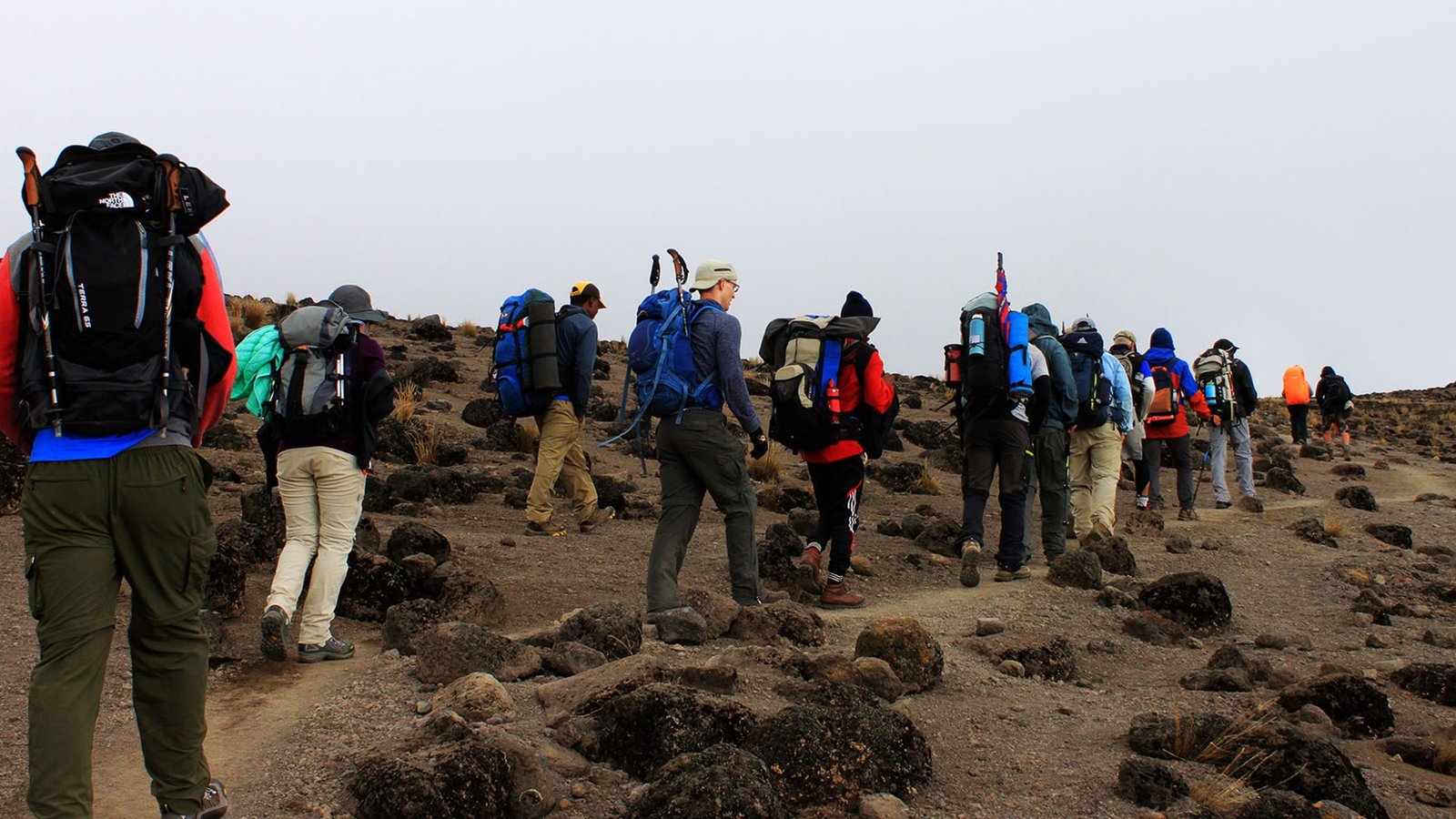
Marangu is not a technical climb and you do not need mountaineering experience. The challenge is altitude and the length of the summit day. Many people who are in good health but unprepared find the final push difficult. Walk regularly in the weeks before you travel, include hills or stairs, and break in your boots before the trip.
The best months to climb
The drier periods, roughly January to March and June to October, are the most popular. The long rains from March to May bring wet, muddy trails and poor visibility, and there are shorter rains in November. Weather on a mountain this high can change quickly in any month, so pack for cold and wet conditions even in the dry season.
What to pack
- Broken-in waterproof hiking boots and several pairs of wool or technical socks
- Layers: base layers, a fleece or insulated jacket, and a waterproof shell
- Warm hat, gloves, sunglasses and a sun hat
- A headlamp with spare batteries for the summit night
- A sleeping bag suitable for cold nights in the huts
- Water bottles or a hydration system, and snacks you enjoy
- Any personal medication, and ask your doctor about altitude
Getting fit for the climb
Start training at least two or three months before you travel. Walk regularly, add hills and stairs, and do at least one long hike with the boots and pack you plan to use. Cardio such as running, cycling or swimming builds stamina. The aim is to be able to walk for six to eight hours on consecutive days.
Altitude sickness
Headache, nausea, dizziness and poor sleep are common at altitude. Walk slowly, drink plenty of water and tell your guide early if you feel unwell, because symptoms that are ignored can become serious. Speak to your doctor before you travel, especially if you have a heart, lung or blood condition.
Getting there from Zanzibar
Flights connect Zanzibar with Kilimanjaro International Airport near Moshi and Arusha, sometimes through Dar es Salaam. Check current schedules and ask us to help with the arrangements when you request a price.
Guides are required
All climbers on Kilimanjaro must be accompanied by a licensed guide, so you cannot climb independently. Ask any operator what is included in the price, such as park fees, hut fees, guides and porters, and what is not.
Combine the climb with a beach holiday
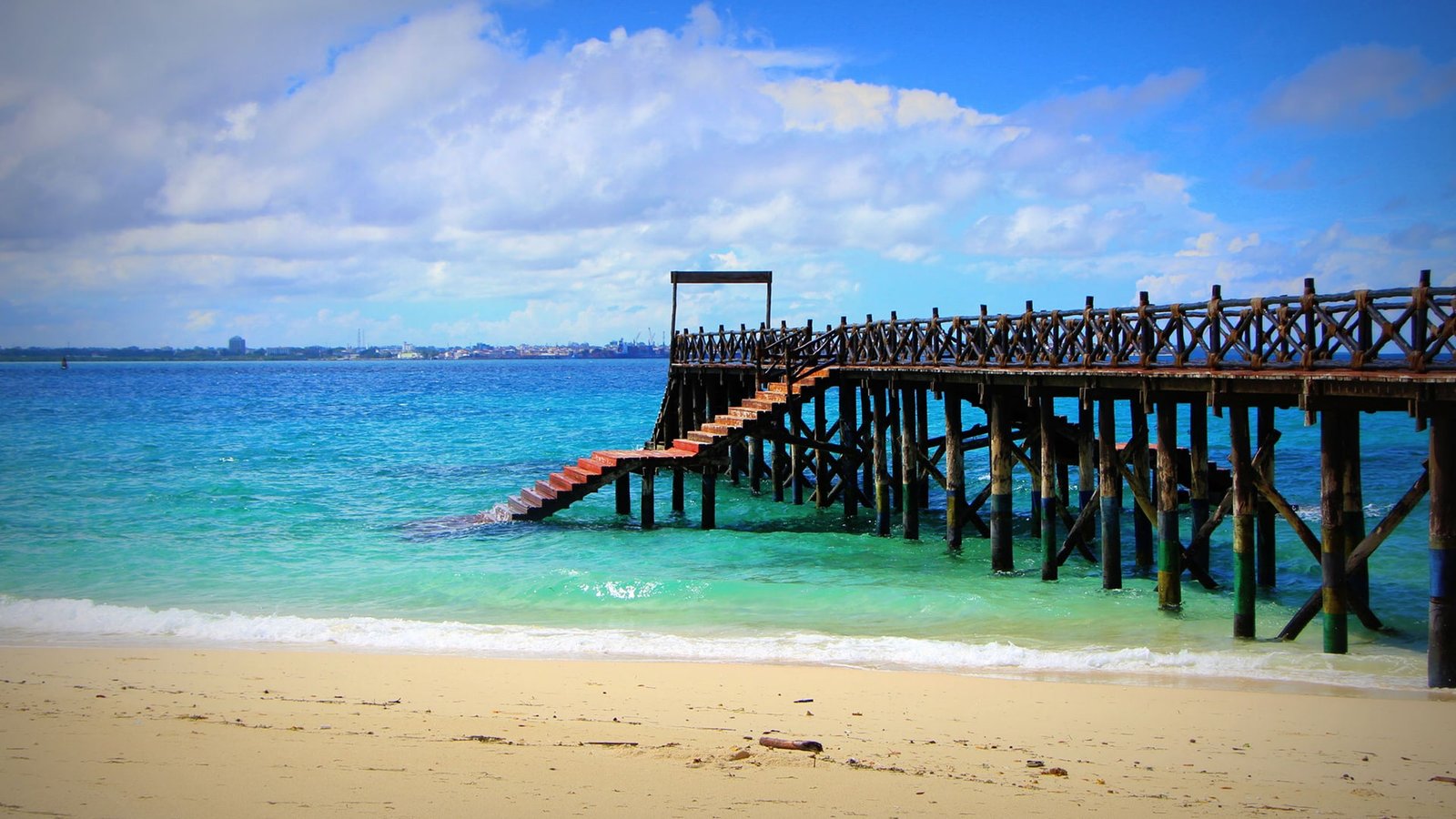
Many climbers finish their trip with a few days on Zanzibar. Tell us your dates and we can help you plan the travel between Zanzibar and the Kilimanjaro region. Read about the best time to visit Zanzibar and browse our day tours for rest days on the island.
Ask for a price
See the Kilimanjaro climb page, then send us your dates or write to us on WhatsApp and we will reply with a quote.